There is no item in your cart
Answers to what researchers ask us most before their first order.
Research Reconstitution Reference
This guide provides general laboratory reference information regarding peptide quantities, reconstitution volumes, and resulting concentrations. Always verify product-specific information and applicable laboratory procedures before use.
| Product | Bac Water | Resulting Concentration |
|---|---|---|
| RETA ā 10 mg | 1 mL | 10 mg/mL |
| RETA ā 20 mg | 2 mL | 10 mg/mL |
| RETA ā 30 mg | 3 mL | 10 mg/mL |
| TESA ā 10 mg | 1 mL | 10 mg/mL |
| TESA ā 20 mg | 2 mL | 10 mg/mL |
| BPC-157 ā 10 mg | 1 mL | 10 mg/mL |
| TB-500 ā 10 mg | 1 mL | 10 mg/mL |
| GHK-Cu ā 50 mg | 3 mL | 10 mg/mL |
| KLOW ā 80 mg | 3 mL | 26.67 mg/mL |
| CJC-1295, MOTS-C, SS-31, NAD+, Semax, Selank, DSIP ā 10 mg | 1 mL | 10 mg/mL |
Peptide Reconstitution Calculator
Peptides may be supplied in different amounts, such as 10 mg, 20 mg, or 30 mg per vial. The amount of liquid used for reconstitution determines the resulting concentration. A calculator can help determine the resulting concentration and corresponding volume measurements.
1 mL / 100-Unit U-100 Syringe Reference
A standard 1 mL U-100 syringe is marked from 0 to 100 units. On a U-100 scale, 100 units corresponds to 1 mL of liquid. Syringe units are a volume measurement and should not be confused with milligrams of peptide.
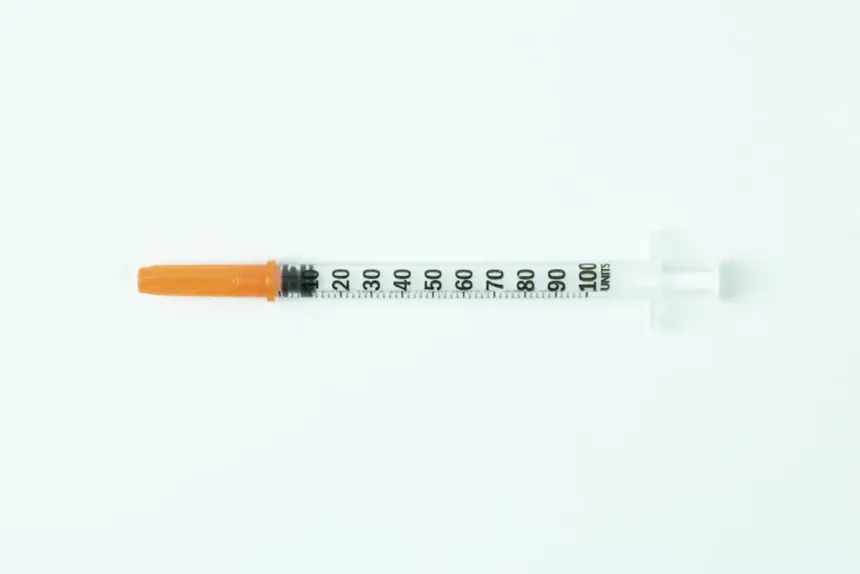
Example 1 mL / 100-unit U-100 syringe reference.
Storage Information
Storage requirements vary by product. Follow the storage information provided with the individual product and its documentation.
Lyophilized Peptides
Unreconstituted, lyophilized compounds should be stored according to the manufacturer’s product specifications and protected from inappropriate heat, moisture, and light.
Bacteriostatic Water
Bacteriostatic water commonly contains 0.9% benzyl alcohol. Use only according to applicable laboratory procedures and the product documentation.
Understanding Concentration
The amount of peptide in a vial and the amount of liquid used for reconstitution determine the resulting concentration. For example, different volumes of liquid added to the same amount of peptide will produce different concentrations.
Important Research Notice
The information provided on this page is intended for laboratory and research reference only. It is not medical advice and should not be interpreted as instructions for human or veterinary use. Product-specific documentation and applicable laboratory procedures should always be reviewed before handling research compounds.
Where applicable, we add images and videos for product information and reconstitution guides on our YouTube channel, presented for research and educational purposes. Visit our YouTube channel ā
All Peptovia products are supplied strictly for laboratory research and development purposes. They are not intended for human or veterinary consumption, nor to diagnose, treat, cure or prevent any disease. The buyer is responsible for complying with all applicable laws and regulations in their country.
On orders over COP 500,000.
100% Payment Secure.
Ensure the product quality.
Premium research peptides with a certificate of analysis. For laboratory research onlyānot for human or veterinary use.
Ā© 2026 Peptovia Peptides. All Rights Reserved. Developed by Arista Dev & Hitzcur
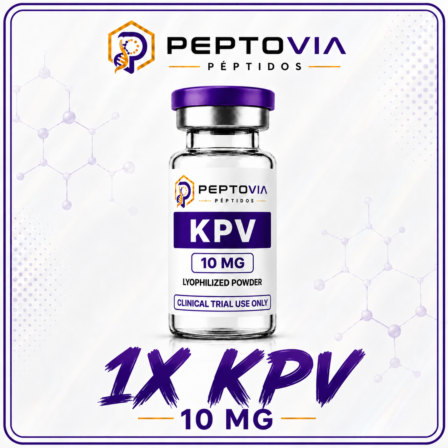
KPV 10mg KPV (Lys-Pro-Val) 10 mg, itās a small peptide derived from the end ofĀ alpha-MSH. Itās mainly being studied forĀ anti-inflammatory effects, particularly involving the gut and skin. Laboratory and animal research suggests it may reduce inflammatory signaling such as NF-ĪŗB and inflammatory cytokines.
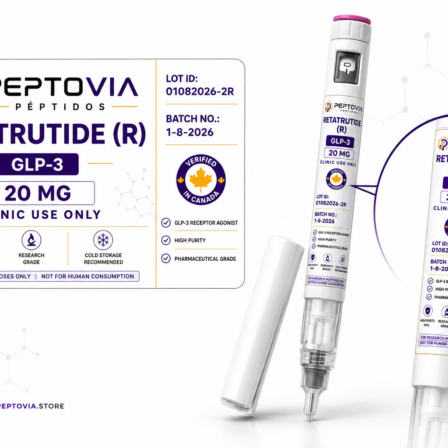
Convenient, compact, and reusable pen format designed for easy, precise dosing. A practical alternative to traditional vial-and-syringe use. Ships nationwide in Colombia with cold icepack packaging. International shipping not available.
Ā
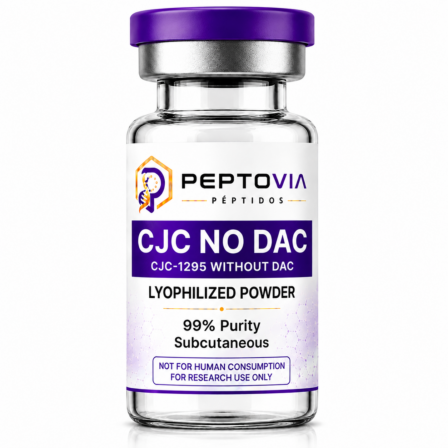
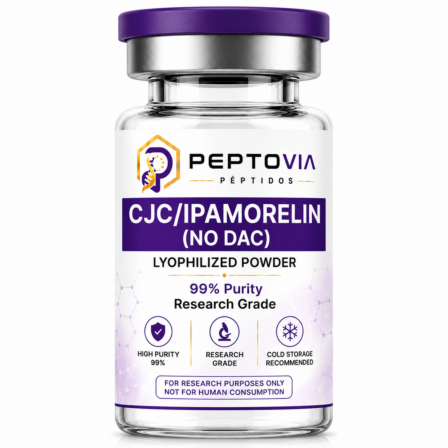
Peptide blend combining CJC-1295 (No DAC) and Ipamorelin for growth-hormone-signaling research.
Research peptide blend studied across multiple biological mechanisms and cellular pathways.
Long-acting amylin analogue studied in appetite regulation. For laboratory research use only. Not for human or veterinary consumption.
Delta sleep-inducing peptide, investigated in sleep architecture and neuroendocrinology. For laboratory research use only. Not for human or veterinary consumption.
Peptide investigated for its regulatory role in the hypothalamic-pituitary-gonadal axis. For laboratory research use only. Not for human or veterinary consumption.
Thymic peptide investigated in immune response modulation. For laboratory research use only. Not for human or veterinary consumption.
Human antimicrobial peptide of the cathelicidin family, studied in innate immunity. For laboratory research use only. Not for human or veterinary consumption.
Octapeptide investigated in facial muscle expression and dermal care studies.
For laboratory research use only. Not for human or veterinary consumption.
Glycoprotein investigated for its interaction with the myostatin pathway. For laboratory research use only. Not for human or veterinary consumption.
GnRH analogue studied in the regulation of gonadotropins. For laboratory research use only. Not for human or veterinary consumption.
191-amino-acid sequence somatropin for research use. For laboratory research use only. Not for human or veterinary consumption.
Long-acting IGF-1 analogue investigated in anabolic signalling. For laboratory research use only. Not for human or veterinary consumption.
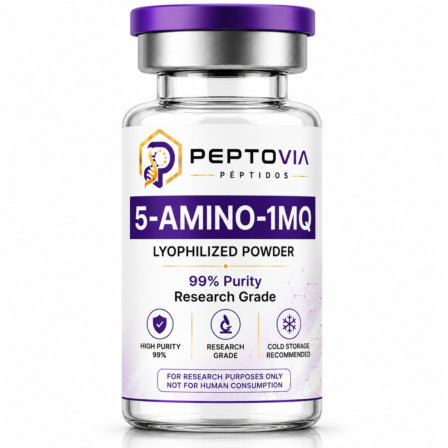
NNMT inhibitor investigated in cellular metabolism and energy storage. Clinic use only.
GHRH analogue investigated in the regulation of the somatotropic axis. For laboratory research use only. Not for human or veterinary consumption.
GLP-1 receptor agonist widely studied in metabolic research.
For laboratory research use only. Not for human or veterinary consumption.
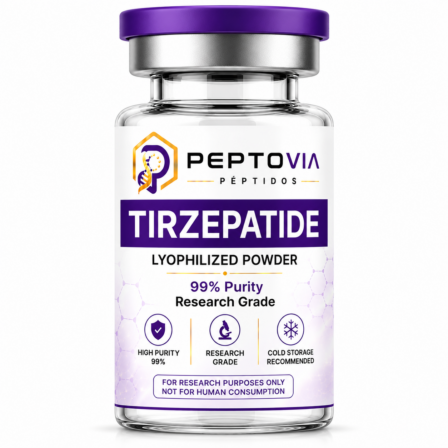
Dual GIP/GLP-1 receptor agonist investigated in glycaemic regulation and body composition.
For laboratory research use only. Not for human or veterinary consumption.
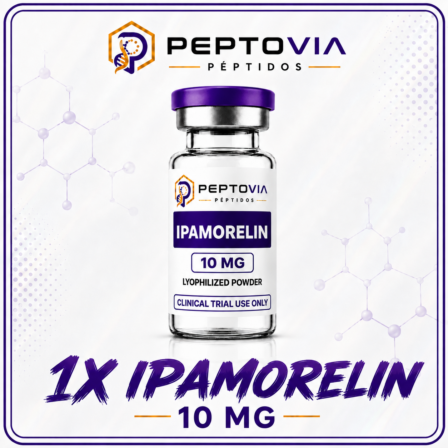
Selective secretagogue investigated for its action on the ghrelin receptor. For laboratory research use only. Not for human or veterinary consumption.
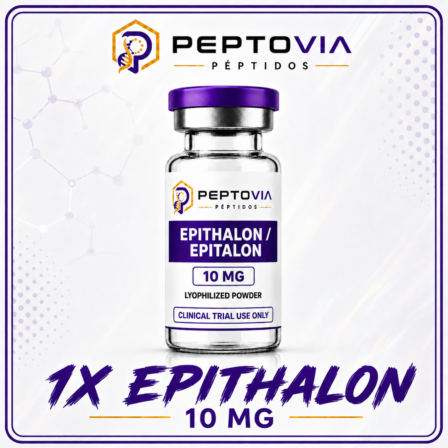
Tetrapeptide studied in telomerase and biological-rhythm research. For laboratory research use only. Not for human or veterinary consumption.
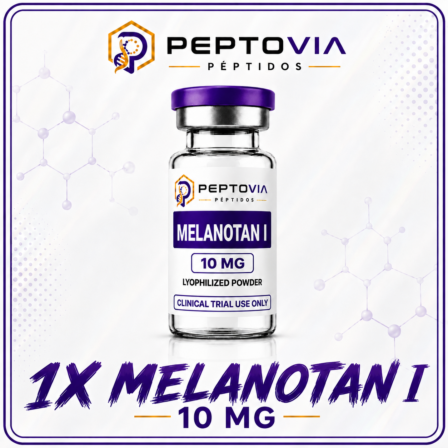
α-MSH analogue investigated in the melanogenesis pathway. For laboratory research use only. Not for human or veterinary consumption.
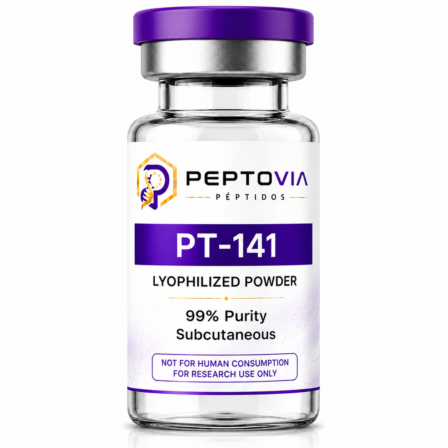
PT-141 (bremelanotide) is a peptide that acts on melanocortin receptors and is primarily used to increase sexual desire/arousal. Bremelanotide, a melanocortin analogue studied in central nervous system signalling. For laboratory research use only.
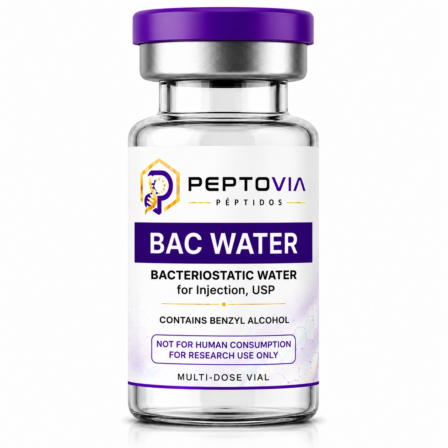
Bacteriostatic Water (BAC Water)
Sterile bacteriostatic water containing 0.9% benzyl alcohol, intended as a diluent for laboratory research applications. Available in 3 mL and 10 mL sizes.
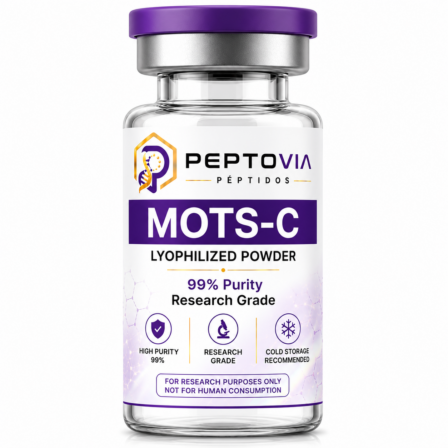
Mitochondria-derived peptide studied for metabolism and cellular energy research. āMOTS-cā, itās a peptide derived from mitochondrial DNA thatās being researched for metabolism and cellular energy regulation. Research has looked at possible effects on: Glucose/insulin sensitivity Fat and energy metabolism Exercise performance Cellular stress and inflammation Comes in 10MG and 20MG.
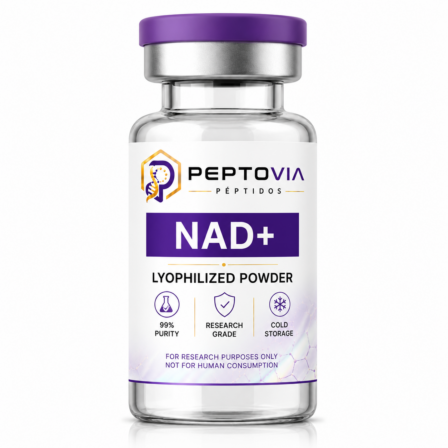
Coenzyme naturally involved in cellular energy production and metabolism.
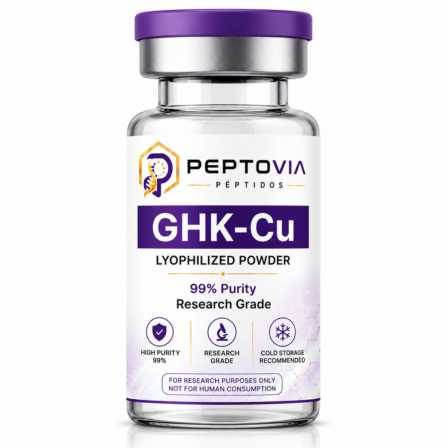
Copper-binding peptide complex studied for skin, collagen, and tissue-related research.
Peptide related to growth-hormone-releasing hormone signaling research.
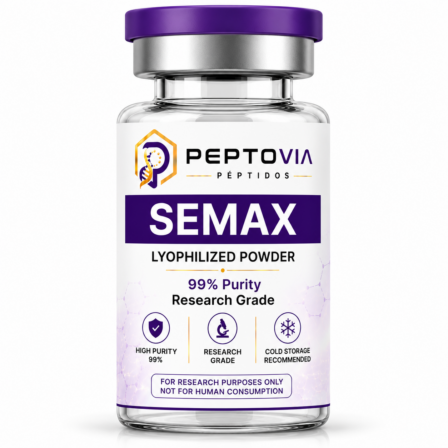
Synthetic peptide studied in neurological and immune-related research.
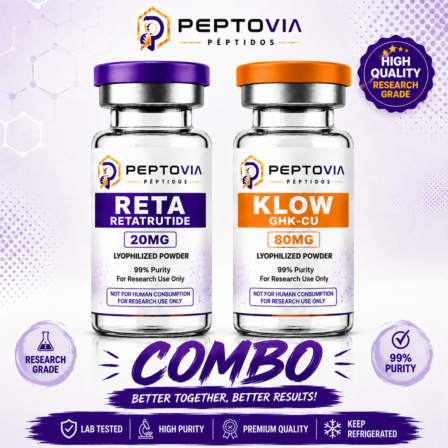
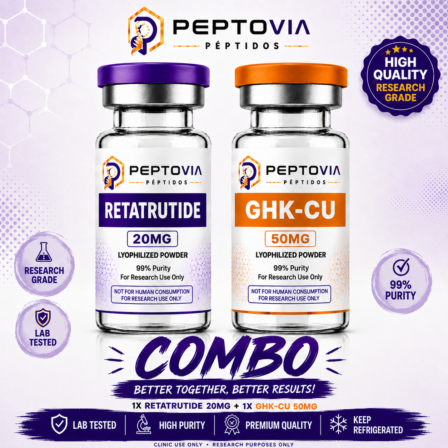
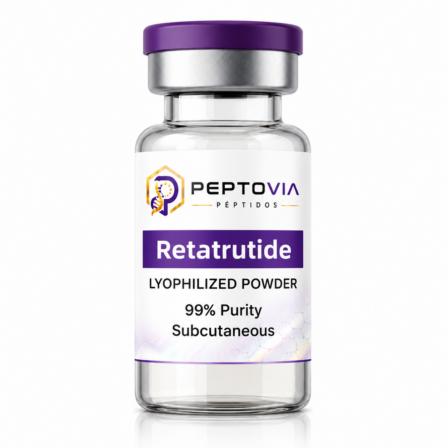
Reta (Retatrutide) a triple agonist that targets GLP-1, GIP, and glucagon receptors. Itās being studied for: Weight loss Improving blood sugar control Potential benefits for obesity-related metabolic disease Available in 10,20,30, 60MG.
Synthetic peptide studied for tissue repair, cellular regeneration, angiogenesis, and inflammatory signaling, with research focused on muscle, tendon, ligament, gastrointestinal, and wound-healing models.
Synthetic peptide related to thymosin beta-4, studied for cellular and tissue-repair research.
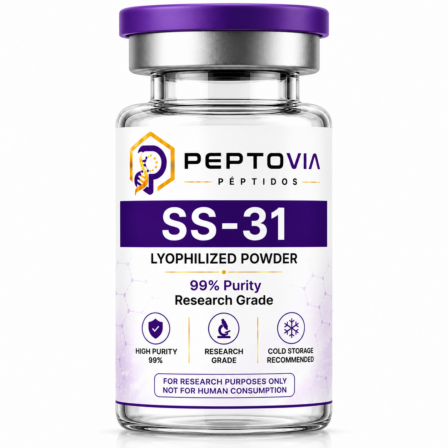
Mitochondria-targeted peptide studied for cellular energy and oxidative-stress research.